
Doll that sings Jesus loves me
Doll That Sings Jesus Loves me
A doll that sings "Jesus Loves Me" can become a quiet companion in a child’s day, gently reminding them that they are loved, held, and never alone. It is a simple object, but it can sit right in the middle of bedtime prayers, car rides, and family moments that slowly shape a child’s heart over time.
On this page, we will look at different ways a doll like this can fit into everyday Catholic family life: how it can be part of nightly routines, how it can comfort little ones, and how it can help keep faith present in an ordinary home without pressure or big speeches.
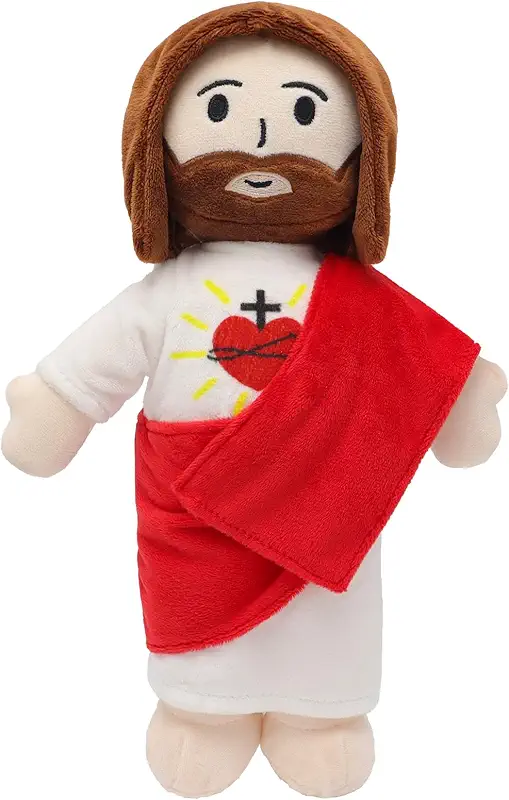
Why a singing Jesus doll can feel so familiar
Many of us grew up with some small reminder of faith in our rooms: a little statue on a shelf, a rosary on a bedpost, or a picture of the Sacred Heart on the wall. A doll that sings Jesus loves me fits into that same quiet tradition, just in a form that speaks more directly to children today.
Children often connect first through touch and sound. A soft doll they can hold, that plays a gentle song about being loved by Jesus, is a way of bringing faith down to their level. It is not a toy that teaches complex ideas. It is simply a presence that can remind them that God’s love is close and steady, even in the small worries of childhood.
In my home, we first tried a doll like this when one of our children was having trouble sleeping alone. I did not expect anything dramatic. We simply placed the doll near the pillow, and once in a while, before turning off the lights, we pressed the button so the song would play softly while we finished our short night prayer. Over time, the tune became a kind of signal: this is our gentle moment with God before sleep.
The song itself is simple and familiar. Many of us learned it when we were small, long before we understood much about the faith. That is part of its strength. Children do not need long explanations to know they are loved. Sometimes one short line, repeated often and sung with kindness, goes deeper than we can see.
How a “Jesus Loves Me” doll can fit into daily family life
A doll that sings Jesus loves me does not have to be the center of things. It can sit quietly at the edge of the day, showing up in small ways that slowly become part of your family’s rhythm. Here are a few natural places where many Catholic families find it helpful.
1. Bedtime prayer companion
For many families, bedtime is the easiest moment to bring prayer into the day. The house is calmer, the lights are dim, and children are usually more open to a peaceful routine. A singing Jesus doll can gently support that moment without making it formal or heavy.
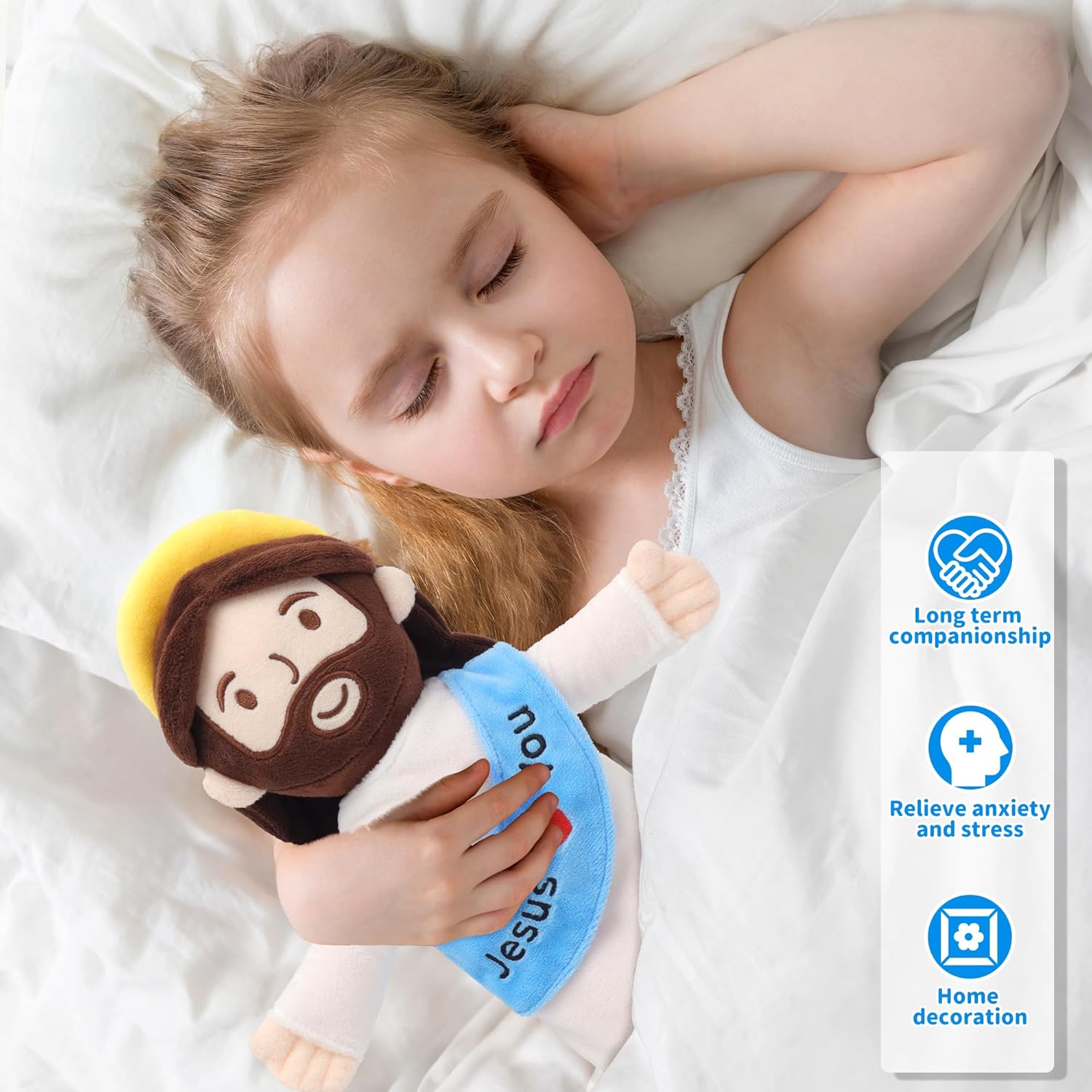
Some parents like to keep the doll near the pillow or at the foot of the bed. After a short prayer — an Our Father, a Hail Mary, or just a simple “Thank you, Lord, for today” in your own words — you might press the doll so that it sings softly once. The song becomes like a small closing blessing over the day, reminding your child that they are loved as they fall asleep.
I remember one evening when our youngest had had a rough day — tears, frustrations, the usual struggles of being little. That night, after her bedtime prayer, she held the doll close while it played "Jesus Loves Me." She did not say much, but she relaxed in a way that words had not managed moments before. The doll did not fix everything, of course, but it created a quiet space where she could rest and let go.
2. Comfort during difficult moments
Childhood has its share of fears: thunderstorms, doctor visits, first days of school, or just nights when the darkness feels too big. During those times, a doll that sings Jesus loves me can serve as something familiar to hold on to.
For some children, it helps to hear the song during a car ride to the pediatrician, or while they are resting on the couch with a fever. The simple words “Jesus loves me” do not explain why suffering exists or answer every question, but they gently repeat the one truth that a child most needs to hear: you are loved, you are not alone.
I have found that letting a child press the button themselves can also give them a small sense of control at a time when everything else feels out of their hands. It becomes their choice to turn toward that reminder of love, in their own time and at their own pace.
3. Quiet presence in a prayer corner
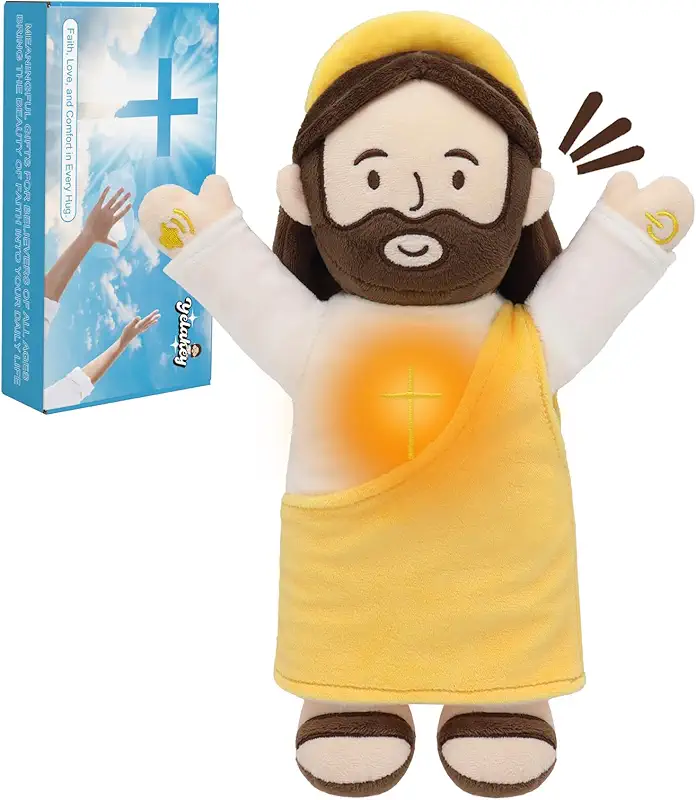
Some Catholic families like to keep a small prayer corner at home, with a crucifix, a Bible, maybe a candle or an image of Our Lady. Placing a Jesus doll nearby can make that space feel more welcoming to children, especially younger ones who are not ready to sit still for long.
A child might bring the doll over during family prayer time, or simply let it rest on their lap. They might press it once at the beginning or the end, or not at all. The point is not to create noise, but to let them feel at home in that space, with something soft and familiar that points toward the love of Jesus.
In our house, there were evenings when family prayer felt messy — toddlers squirming, someone trying not to laugh, someone else already half asleep. On those nights, having the doll nearby reminded us that prayer with children does not have to be perfect. It is enough that we are turning together, in our own imperfect way, toward God.
Things to consider when choosing a Jesus doll
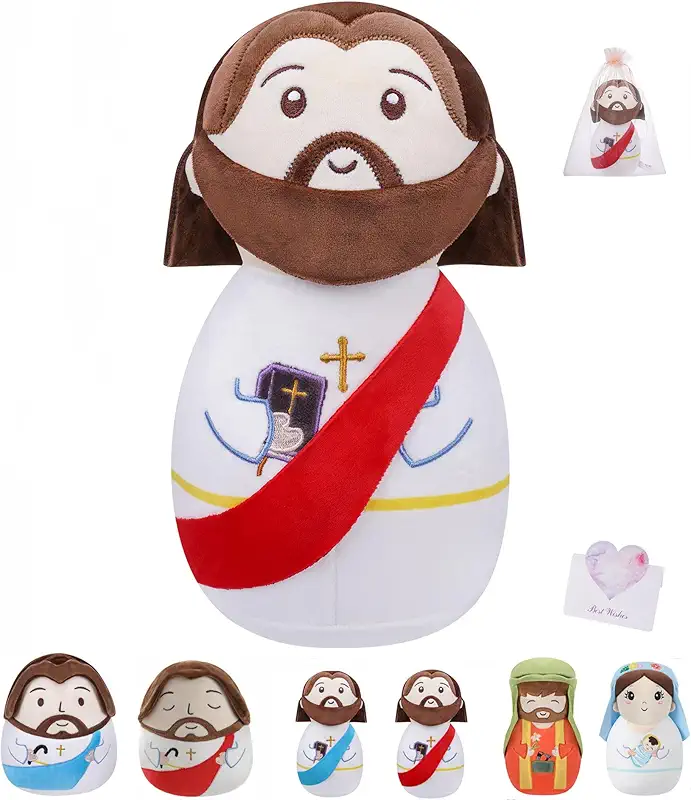
When looking at different versions of a doll that sings Jesus loves me, it can help to think less like a shopper and more like a parent or godparent asking, "Will this gently support the child in front of me?" Here are some simple points many families pay attention to.
Softness and size
A very soft, huggable doll is usually best for younger children. It should feel safe to sleep near and easy to carry from room to room. If it is too large or stiff, it may end up staying on a shelf instead of being part of the child’s daily life.
Consider whether the doll will fit comfortably in a small child’s arms, and whether it can be tucked into a bag or backpack for trips to Grandma’s house or long car rides. The more naturally it fits into ordinary life, the more likely it will be used.
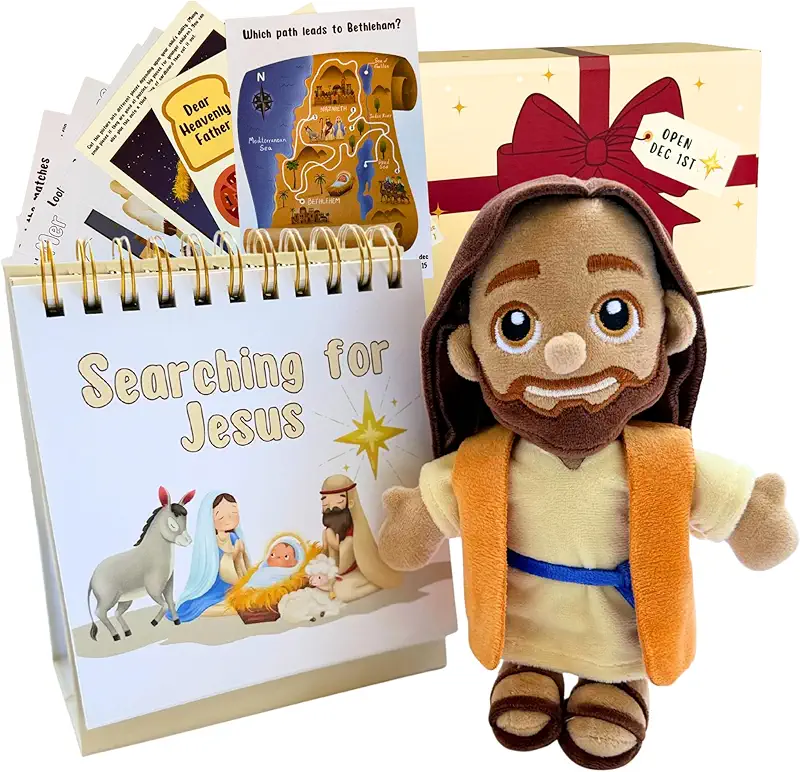
Volume and sound quality
Because the doll plays a song, it is worth thinking about how loud it is and how often it might be used. A gentle volume is usually easier on everyone, especially if the song will be played at bedtime or during quiet times of the day.
Some families set simple “sound rules,” like only pressing the button a couple of times in a row, or saving the song for certain moments such as bedtime or prayer time. This helps keep the song special and prevents it from becoming just background noise.
Durability and washing
Children love to carry their favorite things everywhere. That usually means spills, crumbs, and general wear. Checking whether the doll is easy to clean, or has a removable sound box, can be very practical. A doll that can handle ordinary messes is more likely to stay with your family for a long while.

Respectful appearance
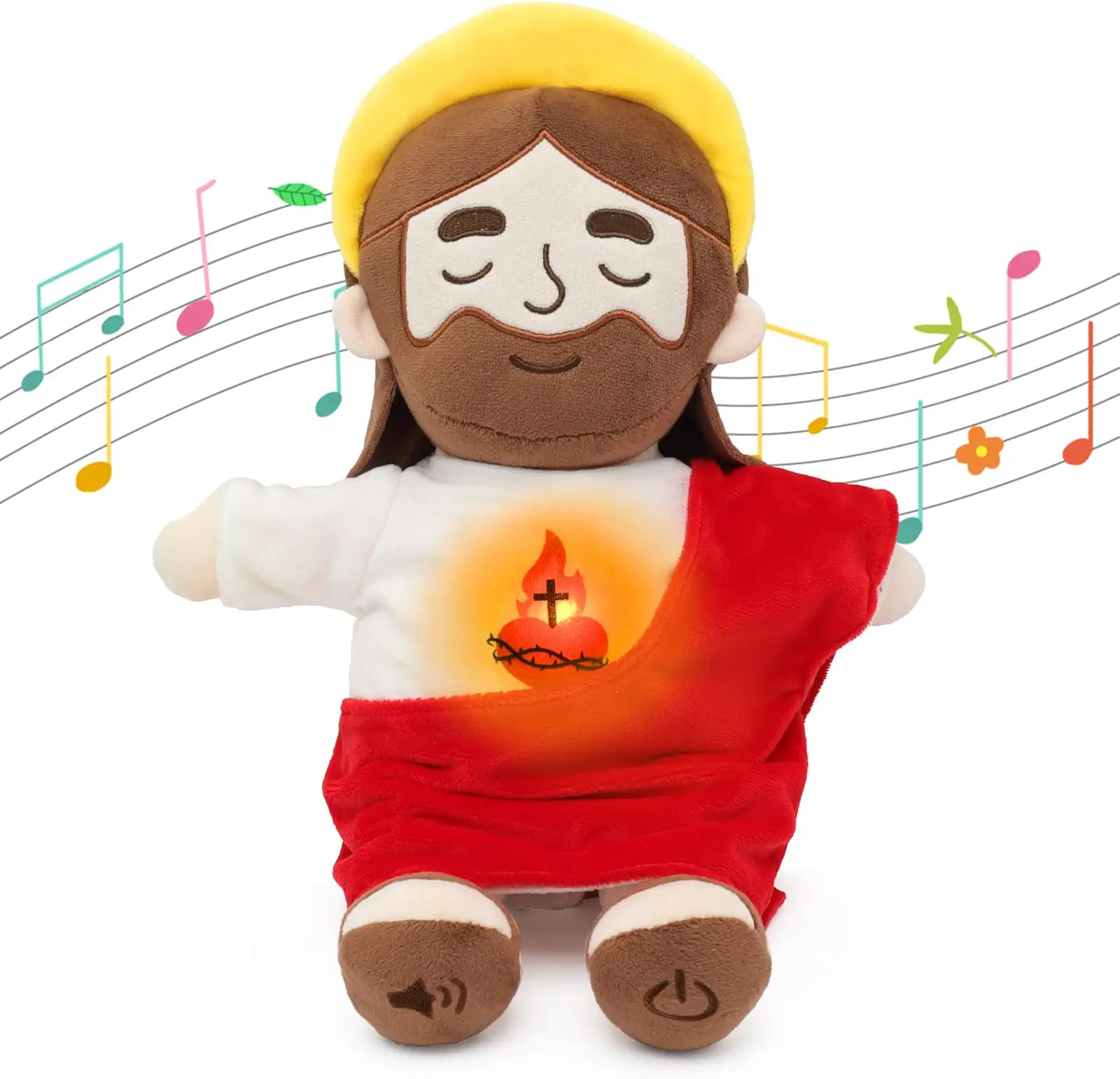
Because this doll represents Jesus, many Catholic parents naturally want it to look respectful and kind. It does not need to be perfect or serious, but it should reflect the gentle, loving face that we hope children will associate with the Lord.
Families differ here: some prefer a more cartoon-like style that feels playful, others appreciate a more traditional appearance. The most important thing is that, when you look at the doll, you can honestly imagine your child learning to see Jesus as close, tender, and full of love.
Personal experiences with a doll that sings Jesus loves me
Over time, I have seen how this kind of doll quietly weaves itself into a child’s story. Looking back, some of my favorite memories with our own Jesus doll are not big or dramatic. They are small snapshots of everyday life where faith and normal childhood blended together.
I remember one Sunday afternoon when our kids were playing "Mass" in the living room — one had a toy chalice, another had a blanket as a vestment. In the middle of their pretend altar, they carefully placed the doll that sings Jesus loves me, as if it were the most natural thing in the world. For them, Jesus was not far away in an abstract idea; He was close enough to be part of their game, part of their joy.
Another memory is quieter. There was a season when one of our children struggled with nightmares. Many nights, I would find them sitting upright, holding the doll tightly. Sometimes the song would wake us in the middle of the night, playing softly down the hallway. I would go in, sit on the edge of the bed, and we would listen together. We did not always talk much. The song itself felt like enough for that moment.
A doll that sings Jesus loves me does not magically remove fears or solve family problems. But it can offer a way to hold something that represents love, especially when a child cannot put their feelings into words. As adults, we have our rosaries, our crucifixes, our favorite holy cards. Children often need something softer, something they can hug.
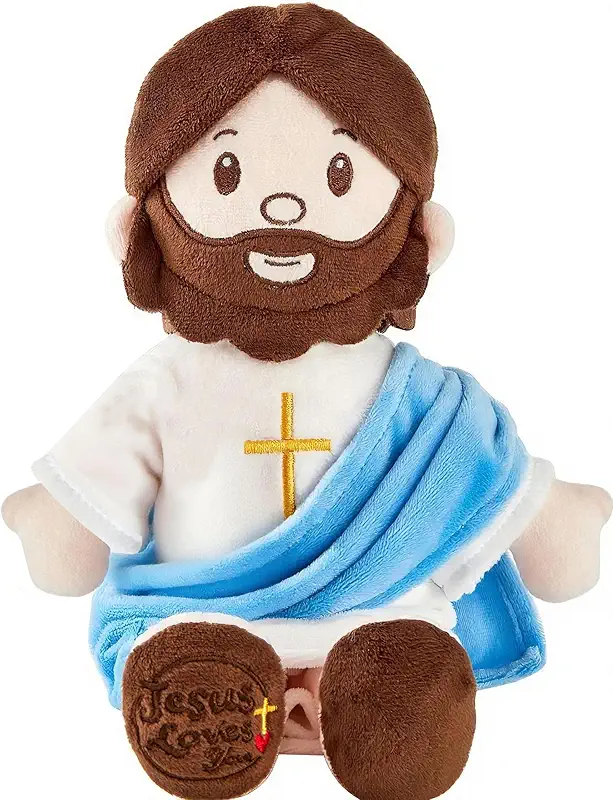
What I appreciate most is that this kind of doll acts as a reminder more than anything else. It does not replace prayer, the sacraments, or teaching the faith. It simply keeps the name of Jesus near to a child’s ears and hands, in the middle of ordinary life — on the couch, in the car seat, on the bedroom floor among scattered blocks and crayons.
Years from now, your child may not remember every bedtime prayer word for word, but they might remember a gentle song about Jesus’s love that was always there in the background of their childhood. And that quiet memory can be a tender thread that keeps drawing them back toward God, even when life becomes more complicated.
FAQ about a doll that sings Jesus loves me
Is a Jesus singing doll appropriate for Catholic families?
Yes, many Catholic families find a doll that sings Jesus loves me to be a simple, gentle tool for nurturing a child’s awareness of God’s love. It does not replace formal prayer or catechesis. Instead, it quietly supports what you are already doing at home — like bedtime prayers, blessing your children, and bringing them to Mass. As with any devotional object, the most important part is how you use it and the spirit with which you introduce it to your child.
How can I introduce the doll without making faith feel forced?
A natural way is simply to place the doll in your child’s room or play area and let them become curious on their own. When they ask about the song, you can calmly explain, “This doll sings about how much Jesus loves you.” You might play the song once before bedtime or during a peaceful moment, without big speeches. Children usually pick up on our tone; when we are calm and sincere, they often respond in the same way.
Can older kids appreciate a doll like this, or is it only for toddlers?
While very young children often connect most strongly with a Jesus doll, older kids can still appreciate it, though in a different way. For some, it becomes more of a keepsake than a toy. It might sit on a bookshelf, a desk, or near a crucifix in their room. Even if they do not press the song often, simply seeing the doll can remind them of earlier years of faith and of God’s steady love through the different stages of their life.
What if my child treats the doll roughly or plays with it in silly ways?
Children naturally explore and test boundaries, even with religious items. If your child plays too roughly, you might gently guide them, explaining that this doll reminds us of Jesus and we want to treat it with kindness. At the same time, it is good to allow some freedom for playful affection. Many parents find a balance by correcting anything clearly disrespectful, while still allowing the doll to be a normal part of play and daily life.
How often should we use the song feature?
There is no fixed rule. Some families play the song once at bedtime; others turn to it only when a child is anxious or needs extra comfort. Keeping the song for certain times can help it remain special. You might say, “Let’s listen to ‘Jesus Loves Me’ once before we say our night prayer,” or “When you feel scared, you can press the doll and remember you are loved.” Over time, you will see what rhythm works best for your home.
If you feel that a doll that sings Jesus loves me could gently support the faith life of your family, you can take some time to look at the different options available online, compare details, and choose what best fits the children God has entrusted to you.
I’ll explore what exists