
Baby Jesus in a manger doll
Baby Jesus in a Manger Doll
A Baby Jesus in a manger doll can become a quiet reminder of Christmas and the presence of Christ in your home all year long. It is a simple object, but in the hands of children and families it can gently support prayer, conversation, and tender love for Jesus.
Many American Catholic families look for gentle ways to help their children grow up with a living sense of faith. A plush or soft Baby Jesus in a manger doll is one of those simple things that can naturally invite little ones to hold, touch, and stay close to the story of Jesus’ birth. It does not replace prayer, Mass, or the sacraments, but it can quietly accompany them.
When I first brought a Baby Jesus in a manger doll into our home, I did not really know what to expect. I just hoped it would help our kids pay a bit more attention to the Nativity during Advent and Christmas. Over time, I noticed something deeper and quieter: the way little hands reached for Jesus at bedtime, the way our youngest would tuck Him in before going to sleep, or whisper a short prayer with simple words. None of this was dramatic, but it felt sincere.
What a Baby Jesus in a manger doll really is
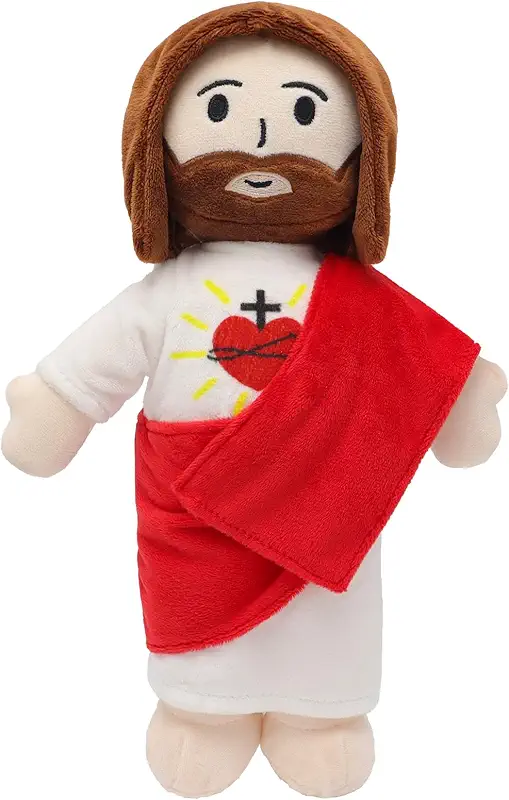
A Baby Jesus in a manger doll is usually a soft, child‑friendly representation of Jesus as an infant, often resting in a small fabric or plush manger. It is not a toy in the usual sense, and it is certainly not just another Christmas decoration. For many Catholic families, it becomes a small, familiar sign of the Nativity of Jesus, close enough for children to hold.
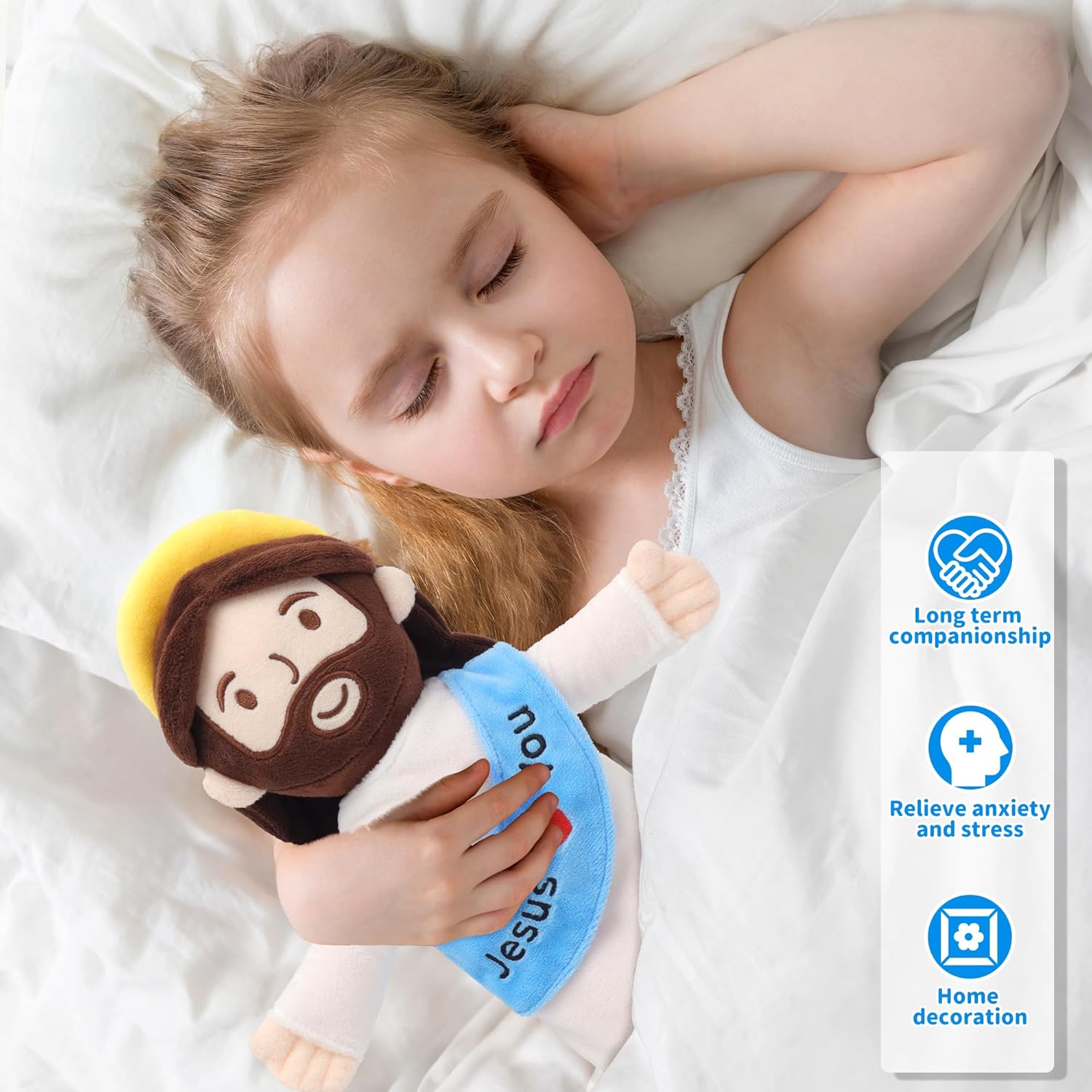
Because it is soft and not fragile, children can interact with it in ways that they cannot with porcelain Nativity sets or glass figurines. Toddlers can carry it around, place it next to their pillows, or keep it in their prayer corners without parents worrying about broken pieces. This freedom often opens up space for spontaneous, childlike prayer.
Some families bring out their Baby Jesus in a manger doll only during Advent and Christmas. Others keep it visible all year, perhaps near a children’s bookshelf or in a small home altar. Both approaches can be good; it really depends on your family’s rhythm and how you prefer to mark the liturgical seasons.
For adults, the doll can also be a quiet reminder that our faith is incarnational: God came close to us as a child. Seeing a baby Jesus resting in a manger on a nightstand, on a dresser, or in a family prayer corner can gently nudge our hearts toward gratitude, especially on busy days.
When I place our Baby Jesus back in the manger after a long day, I sometimes just pause for a moment. There is something very simple about looking at Him as a small, vulnerable child. It reminds me that my own weaknesses and worries can be entrusted to Him without fear.
How a Baby Jesus doll fits into family prayer
Families often ask how to use a Baby Jesus in a manger doll without turning prayer into playtime. There is no strict formula, but a few gentle practices can help. The point is not to perform or to force piety, but to invite children into ordinary, honest moments with Jesus.
During Advent and Christmas
Advent is a natural time to begin using the doll. Some families keep the manger empty until Christmas Eve, placing Baby Jesus in the manger after returning from Mass or before going to sleep. Others let children place a little “straw” (paper strips or pieces of yarn) in the manger during Advent for each small act of kindness, then lie Jesus down on that soft bed on Christmas.
A Baby Jesus doll can also sit near the Advent wreath. Before lighting the candles, a child might gently carry Jesus to the table and place Him where everyone can see. Short, simple prayers work best:
- “Jesus, we are waiting for You.”
- “Be close to our family tonight.”
- “Please bless those who are alone or hurting.”
At Christmas, many families move their Baby Jesus in a manger doll to the center of the Nativity scene or the family table. In our home, the kids like to “introduce” Jesus to the shepherds and animals, and even to visiting relatives. It sounds playful, but often it leads to brief, sincere conversations about His birth.
Everyday moments of quiet prayer
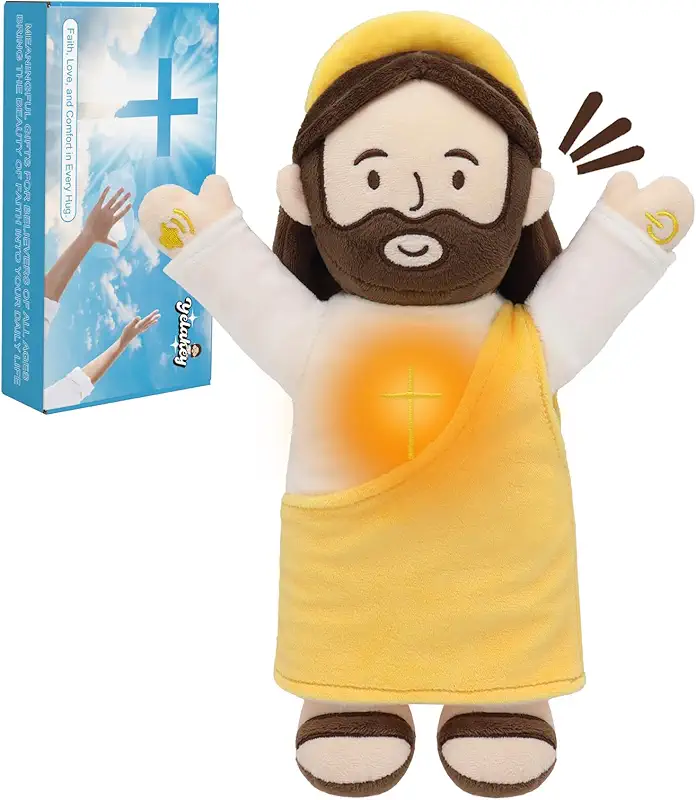
Outside of Christmas, the Baby Jesus in a manger doll can stay in a child’s room or in a common prayer space. Some gentle, everyday possibilities include:
- Letting a child hold the doll while you pray a short night prayer together.
- Placing the doll on a bedside table as a visual reminder to say “Good morning, Jesus.”
- Offering the doll to a child who is anxious, upset, or struggling to fall asleep.
- Bringing the doll along (discreetly) when visiting grandparents or going on trips, as a familiar reminder of home and faith.
I remember one evening when one of our kids had a rough day at school and was on the edge of tears before bed. Instead of saying much, I silently handed over the Baby Jesus doll and sat on the floor. After a minute, my child whispered, “Jesus, I had a bad day.” That was it. No long prayers, no perfect words. But it felt honest, and I think that is what matters most.
These small, quiet uses of a Baby Jesus in a manger doll can help children see prayer as something close and natural, not distant or complicated.
Bringing Baby Jesus into Catholic home traditions
A Baby Jesus in a manger doll can weave itself into the yearly rhythm of a Catholic household. It does not have to be the center of everything, but it can gently anchor certain moments and help mark the seasons of the Church.
Creating a simple prayer corner
Many families like to have a small prayer corner or “little altar” at home. A basic setup might include:
- A small crucifix or cross on the wall.
- An image or statue of Mary or a favorite saint.
- A Bible or children’s Bible.
- A candle or battery-operated tea light.
- A Baby Jesus in a manger doll, especially during Advent and Christmas.
Children are often drawn to this space if they feel some sense of ownership. Letting them move Baby Jesus, arrange the manger, or place a small blanket under Him can help them feel personally involved. Over time, they may begin to go there on their own for a moment of quiet.
Linking faith with bedtime routines
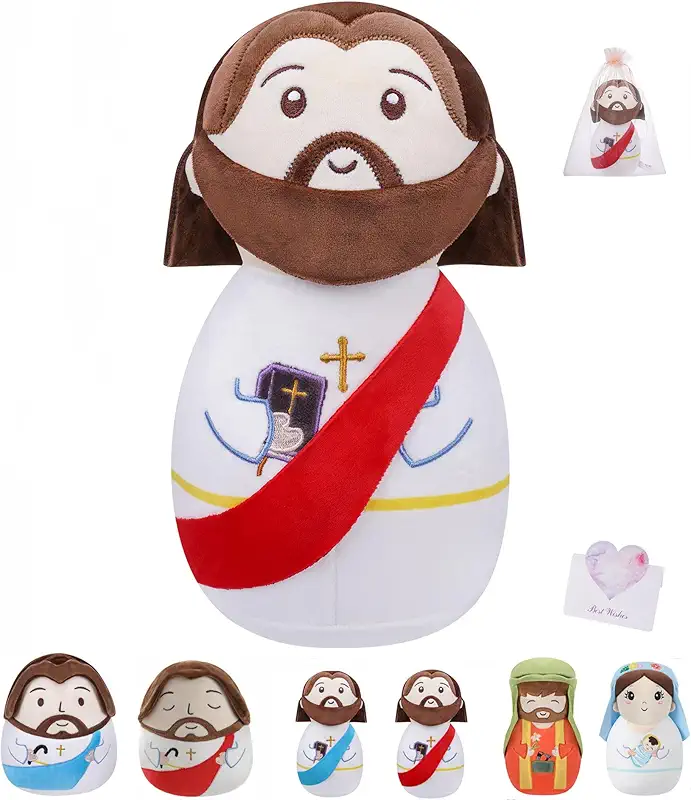
Bedtime is one of the most natural moments to weave faith into daily life. A Baby Jesus in a manger doll can fit into that pattern without pressure or complexity. For example:
- A child might tuck Baby Jesus into the manger and say a simple “Good night, Jesus.”
- You might place the doll on a pillow while you read a short Bible story or a picture book about the Nativity.
- On difficult nights, a child might hold the doll as you pray an Our Father or Hail Mary together.
In our home, there was a season when one of the kids insisted that Jesus should “sleep on my bed so He isn’t cold.” Of course the doll does not feel cold, but that simple, childlike care opened the door to talking about how we can show love for Jesus in ordinary ways: kind words, patience with siblings, or a quick prayer for someone in need.
Over months and years, these quiet habits can help shape a child’s sense that Jesus is close, gentle, and attentive. The Baby Jesus in a manger doll is only a symbol, but it can support that deeper relationship.
Choosing a Baby Jesus in a manger doll thoughtfully
When you look at different Baby Jesus in a manger dolls online, it can be helpful to think less in terms of style and more in terms of how the doll will actually be used in your family’s daily life.
Things many parents consider
- Softness and safety: A plush or fabric doll is usually easier for small children to handle. Check that there are no loose parts that could be pulled off easily.
- Size: A doll that fits in a child’s arms and can be carried around the house often feels more “real” to them.
- Washability: Since kids will likely cuddle and carry the doll, it is helpful if the fabric can be spot-cleaned or gently washed.
- Simple expression: A calm, gentle face often helps children relate to Baby Jesus as someone peaceful and approachable.
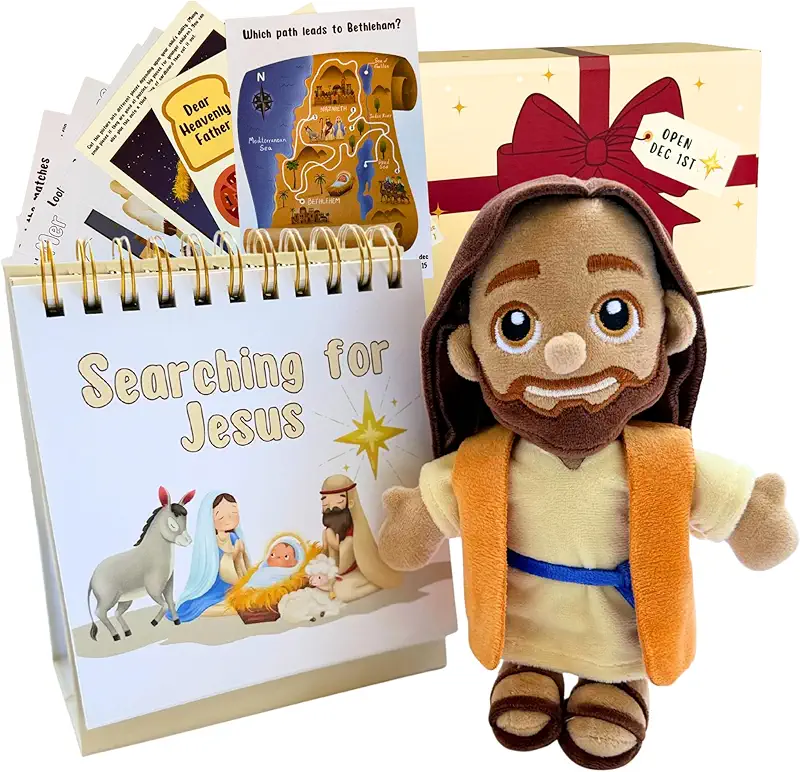
One thing I learned with our own Baby Jesus doll is that it does not have to be perfect. The stitching may be simple and the manger might not look exactly like the ones in church art, but children rarely mind. What matters more is how often it is present in the real moments of family life: on the couch after dinner, in the car on a long drive, or on the floor during a quiet afternoon.
It can also be meaningful to bless the Baby Jesus in a manger doll in a simple family prayer, asking that it help everyone remember Christ’s love. Many parishes even have a special blessing of the “Bambinelli” (little Baby Jesus figures) during Advent, where children bring their Baby Jesus to Mass to be blessed.
Personal experiences with a Baby Jesus in a manger doll
Over the years, our Baby Jesus in a manger doll has moved through many phases. There were seasons when it was treasured and carried everywhere, and other times when it quietly rested on a shelf, waiting to be noticed again. That rhythm feels very close to real spiritual life: sometimes warm and intense, sometimes quiet and hidden.
One Advent, our youngest decided that every night Baby Jesus needed to “visit” a different room in the house. We would find Him carefully placed on a chair in the kitchen, on a stack of folded towels, or even near the shoes by the door. It became a gentle reminder that Christ wants to be present in every part of our ordinary life, even the messy and unglamorous corners.
Another time, after a family loss, the same Baby Jesus in a manger doll became a sort of comfort object. No big speeches were needed. Sometimes a child would just sit on the couch, holding Him quietly. It did not solve anything, but it seemed to help them bring their sadness to Jesus in a way words could not.
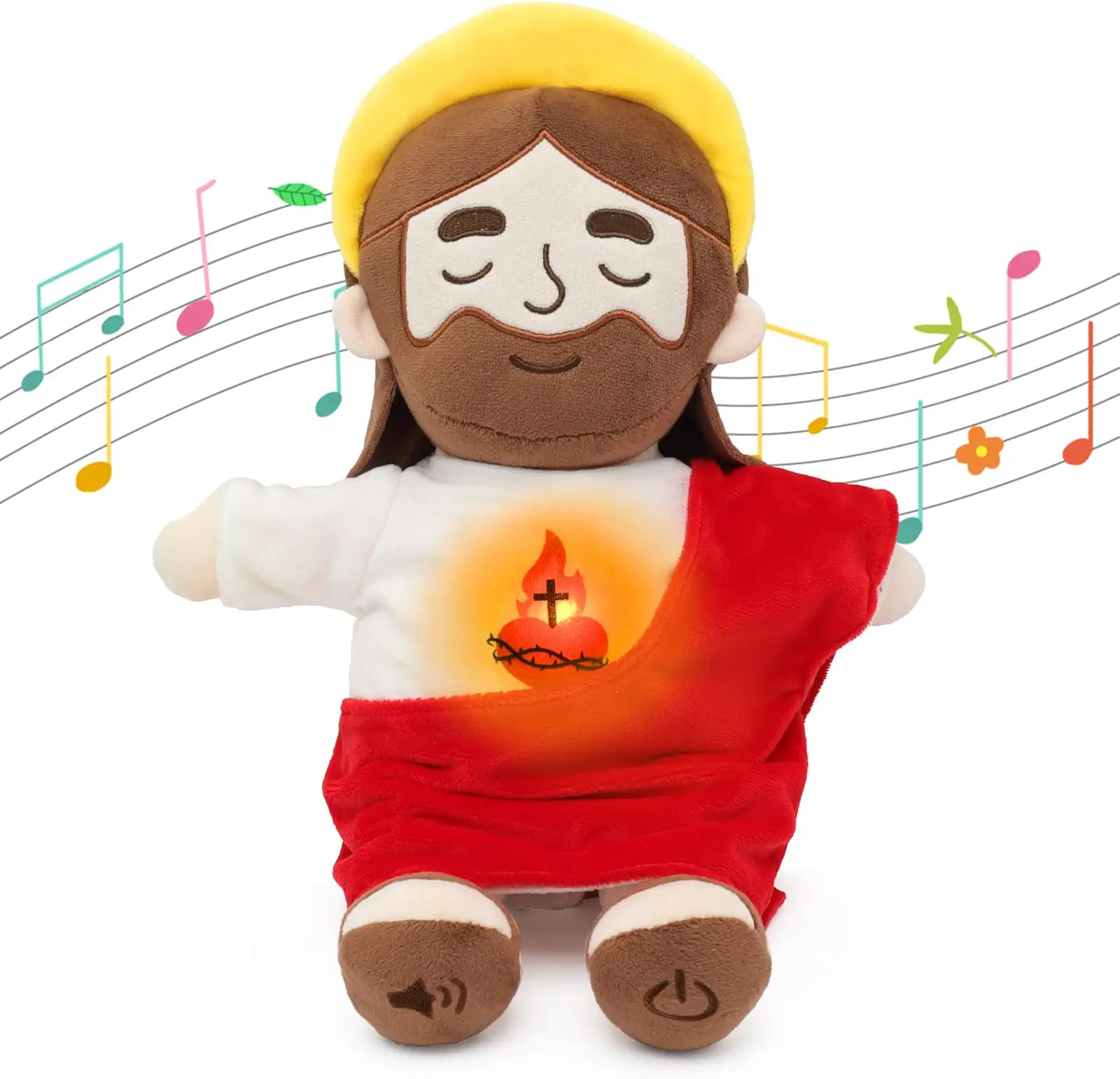
These experiences are simple, but they have shaped the way I think about having a Baby Jesus in a manger doll at home. It is not about doing things perfectly or following a strict routine. It is about giving children a gentle way to draw closer to Jesus, and giving adults a quiet reminder of His nearness in the middle of everyday tasks.
I have also noticed that guests sometimes ask about the Baby Jesus doll when they see it on a shelf or near the Nativity scene. That opens the door to short, natural conversations about faith without pressure or debate. The doll becomes a starting point, not a statement.
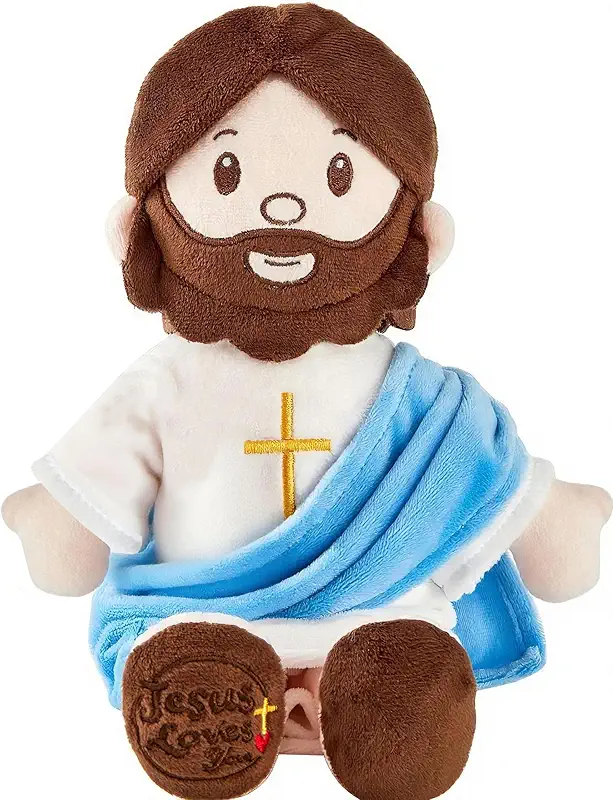
Frequently asked questions about a Baby Jesus in a manger doll
Is it respectful to let children play with a Baby Jesus in a manger doll?
Many Catholic parents do allow children to handle and “play” with a Baby Jesus doll, but they try to do it in a gentle, respectful way. The goal is not rough play or jokes, but natural affection. Over time, you can quietly model how to treat the doll with care, explaining that it represents Jesus and helps us remember His love. Simple guidelines, such as not throwing the doll or stepping on it, can keep that sense of respect while still letting kids be kids.
Should the Baby Jesus doll stay out all year or only at Christmas?
There is no single right answer. Some families prefer to keep the Baby Jesus in a manger doll as a special part of Advent and Christmas, putting it away with the Nativity set after the season. Others feel that leaving it out all year keeps Jesus’ presence visible in the home in a child-friendly way. You might try one approach for a year and then adjust based on what feels more helpful and natural for your family.
How can we include the Baby Jesus doll in our family prayer without making it feel forced?
Keeping things short and simple usually helps. You could invite a child to place Baby Jesus in the center of your prayer space, or hold Him while you say a short prayer together. Instead of long speeches, try phrases like “Jesus, please be with us tonight” or “Thank You for our family.” Over time, children may start to add their own words. The aim is not to perform, but to make space for honest conversation with God.
Is a Baby Jesus in a manger doll only for young children?
While it is especially helpful for little ones, older children, teens, and even adults can appreciate a small, tangible reminder of Jesus’ birth. In some homes, the Baby Jesus doll becomes part of a quiet personal prayer space, resting near a Bible or journal. For grandparents or godparents, it can also be a gentle way to stay connected with younger members of the family by sharing a common devotional object.
What if my child loses interest in the doll after a while?
That is very normal. Children’s attention often moves in cycles. If the Baby Jesus in a manger doll seems forgotten, you can simply keep it in your prayer corner or near the Nativity set and let it be a sign for you. Interest may return in another season, especially around Advent and Christmas. The value of the doll does not depend on constant use, but on the quiet moments it supports over the years.